The Arkansas Wilderness History Project is a joint endeavor undertaken by the Pryor Center for Arkansas Oral and Visual History and the Ozark Society. The project is an attempt to document some of the efforts of Arkansans and others to protect wilderness areas and wild and scenic rivers here in Arkansas.
In 1964, the National Wilderness Preservation Act was signed into law. It was the culmination of over a century of efforts by conservationists to set aside natural spaces for the public good, beginning with such early examples as the establishment of Yellowstone and Yosemite National Parks in the late nineteenth century, and continuing with the rise of the wilderness movement in the 1920s, when, at the urging of a young forester named Aldo Leopold, Congress set aside a large tract of land in the Gila National Forest in New Mexico. It was the realization of an idea that part of our natural land should remain in an undeveloped condition and be deliberately protected so that present and future generations could have wilderness.
In 1975, the Eastern Wilderness Act was passed. Suitable lands in the national forests, national parks, and national wildlife refuges in the eastern half of the United States could now be considered for protection as wilderness as well. These two laws have enabled the protection of wilderness areas here in Arkansas.
In 1968, Congress created the National Wild and Scenic Rivers System. The Arkansas Wild and Scenic Rivers Act of 1992 designated several wild and scenic rivers in Arkansas.
For more than 50 years, work has been underway to seek protection for some of the most natural and wild places in the state of Arkansas. This project includes a collection of interviews with some of the people who played a role in these wilderness protection efforts. There are also interviews concerning the protection of wild and scenic rivers. Our hope is that their stories will provide a basis of understanding of how our system of wilderness areas and our system of wild and scenic rivers came to be. Knowing some of our wilderness history may be helpful to present and future generations who want to know more about when, why, and how these wild places became protected.
The Ozark Society and Pryor Center extend their thanks to everyone who participated as volunteers in interviews, or who contributed photos and other information used in this project. Their stories are informative, entertaining, and inspirational, and provide a valuable window into a pivotal period in Arkansas history.
#1: Arkansas Citizen's Wilderness Proposal Slideshow image, created by Lissa Thompson and Mel White, ca. 1982
© Special Collections, University of Arkansas Libraries, University of Arkansas, Fayetteville
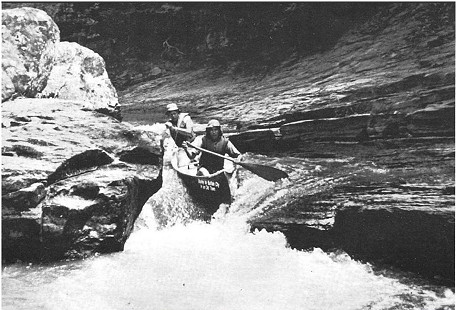
#2: Harold and Margaret Hedges on the first known descent of the Hailstone in the future Upper Buffalo Wilderness, June 1974. Photo was taken by either Steve Noland or Coleman Holt
© Pryor Center for Arkansas Oral and Visual History, University of Arkansas
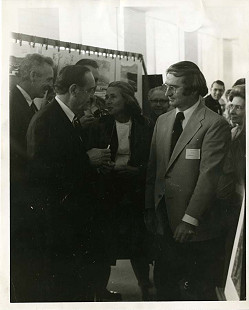
#3: Harold Hedges, former governor Orval Faubus, Margaret Hedges, and Joe F. Nix at an Earth Day celebration in Arkadelphia, Arkansas, in 1970
© Special Collections, University of Arkansas Libraries, University of Arkansas, Fayetteville
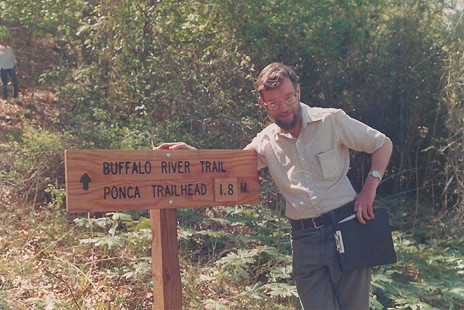
#4: From back of photo: Ken Smith – “Guiding light” for work on Buffalo River Trail and author of Buffalo River Country. Opening of Ponca-to-Steel Creek Trail; 25 April 1987. Photo by Virginia Lucas
© Copyright Kenneth L. Smith
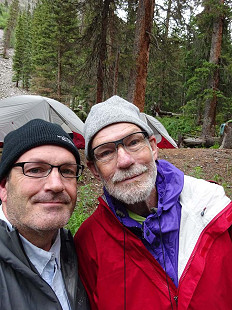
#5: Wellborn Jack, III and Wellborn Jack, Jr., Weminuche Wilderness, San Juan National Forest, in Colorado, 2015. Photo by Richard Kinsey
© Wellborn Jack III
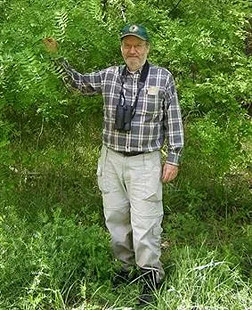
#6: Tom Foti, ca. 2018
© Tom Foti
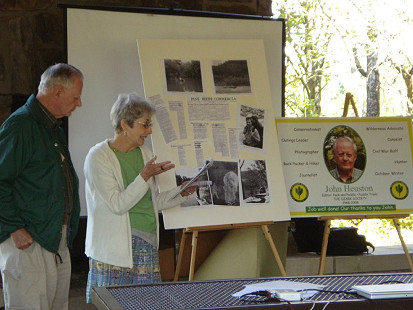
#7: John Heuston and Ellen Compton at an Ozark Society event to honor John’s many years as the Editor of Paddle Trails and Pack and Paddle, the Ozark Society newsletter, ca. 2008
© Kirk Wasson
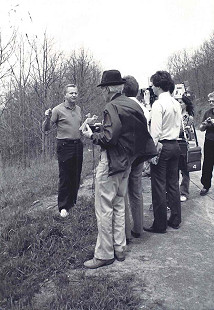
#8: Congressman Ed Bethune conducting a press conference at the future Flatside Wilderness Area, ca. 1982. Neil Compton (in hat) and Carol Griffee, a reporter for the Arkansas Gazette (far right) are attending
© Special Collections, University of Arkansas Libraries, University of Arkansas, Fayetteville
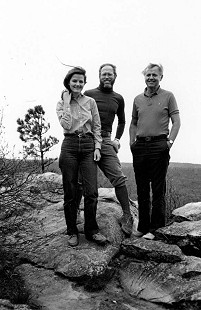
#9: Lissa Thompson and Art Evans of the Arkansas Conservation Coalition with Ed Bethune at Flatside, ca. 1982
© Lissa Thompson
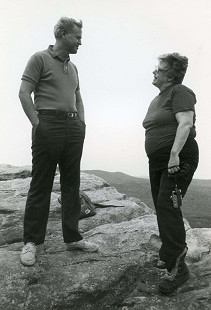
#10: Ed Bethune and Carol Griffee at Flatside, ca. 1982.
© Tom McClure
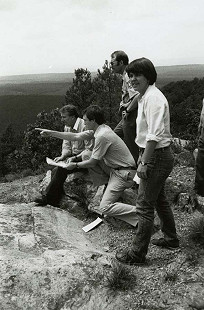
#11: Senator Dale Bumpers, Tom McClure of the Arkansas Conservation Coalition, a representative of the US Forest Service, and Susan Reiff, legislative aide for Senator Bumpers, at Flatside, ca. 1983
© Special Collections, University of Arkansas Libraries, University of Arkansas, Fayetteville
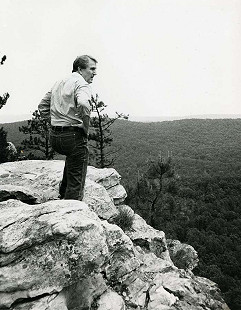
#12: Dale Bumpers at Flatside, ca. 1983. Photo by Don Hamilton
© Special Collections, University of Arkansas Libraries, University of Arkansas, Fayetteville
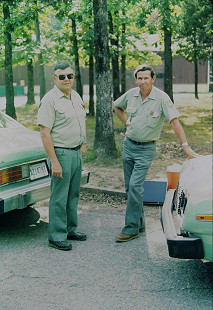
#13: John Orr, Forest Service Supervisor of the Ouachita National Forest, and Deputy Forest Service Supervisor Wayne Kelley, ca. 1983. Photo by Tom McClure
© Tom McClure
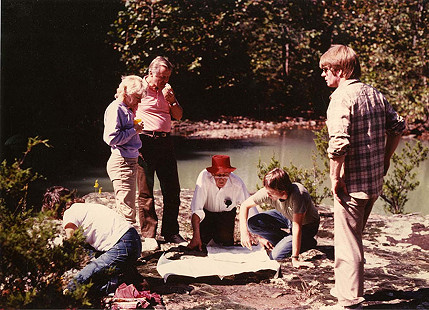
#14: Lana Bethune, Ed Bethune (standing), Mary Smith (far left) Neil Compton (red hat), Tom McClure, and Bob Irving (standing at far right) at the future Blue Hole Special Interest Area, October 1983. Photo by Lissa Thompson
© Special Collections, University of Arkansas Libraries, University of Arkansas, Fayetteville
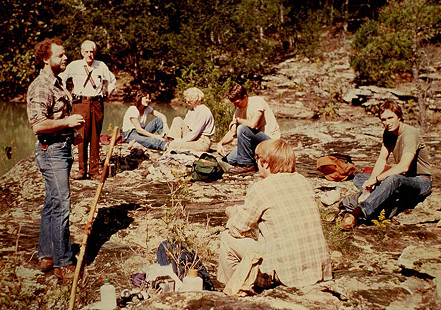
#15: Lana Bethune (center, seated) with Arkansas Conservation Coalition representatives Bill Coleman, Neil Compton, Mary Smith, Ken Smith, Bob Irving, and Tom McClure at Blue Hole, October 1983. Photo by Lissa Thompson
© Lissa Thompson
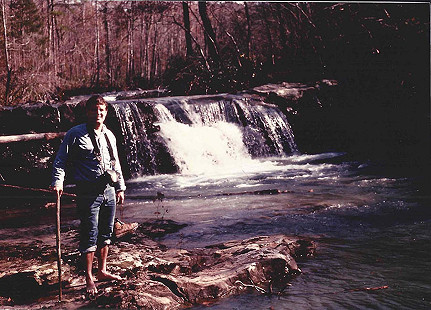
#16: Don Hamilton of the Arkansas Conservation Coalition at Blue Hole, ca. 1982. Photo by Tom McClure
© Tom McClure
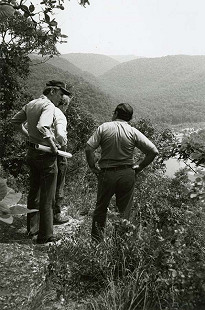
#17: Sylamore District Ranger Richard Mills, Dale Bumpers, and Ozark National Forest Supervisor Jim Crouch at the future Leatherwood Wilderness, ca. 1983
© Special Collections, University of Arkansas Libraries, University of Arkansas, Fayetteville
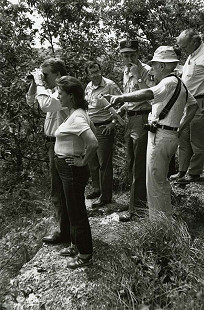
#18: Dale Bumpers, Jim Crouch, Richard Mills, Neil Compton, and Dave Criner, a member of Governor Bill Clinton’s staff, at Leatherwood, ca. 1983
© Special Collections, University of Arkansas Libraries, University of Arkansas, Fayetteville
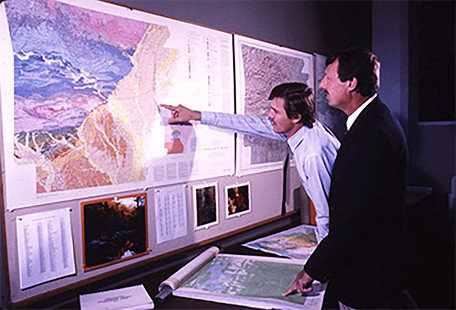
#19: Ken Smith, Chief of Research, and Harold Grimmett, Director, of the Arkansas Natural Heritage Commission, ca. 1982
© Bill Pell
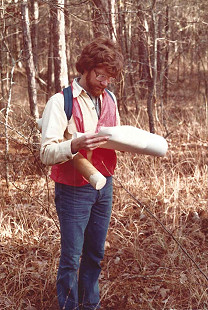
#20: Bill Pell, ecologist for the Arkansas Natural Heritage Commission, at the future Black Fork Mountain Wilderness, ca. 1982. Photo by Tom McClure
© Tom McClure
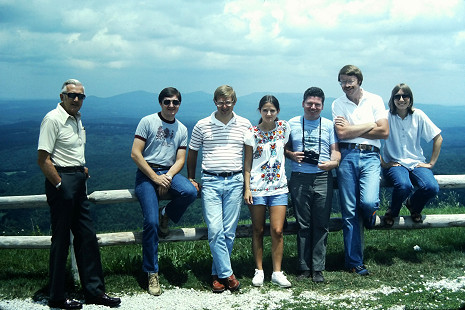
#21: Bob Messina, Mickey Freeman, Jay Vestal, Lissa Thompson, Chuck Saults, Ray Hanley, and Diane Hanley at the Ozark National Forest, ca. 1982. Photo by Tom McClure
© Tom McClure
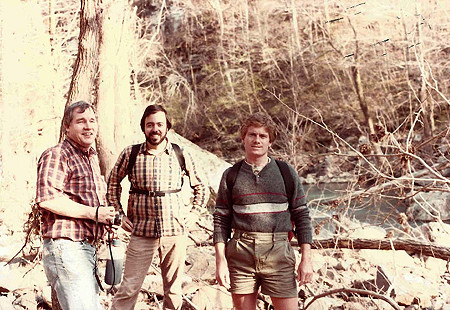
#22: Ed Pembleton of the Audubon Society, Peter Coppelman of the Wilderness Society, and Randy Snodgrass of the Wilderness Society at Richland Creek, ca. 1983. Photo by Tom McClure
© Tom McClure
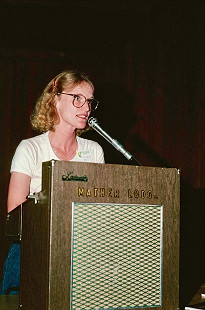
#23: Ellen (Neaville) Turner speaking at a meeting of the Arkansas Audubon Society at Petit Jean State Park, April 1984. Photo by Ed Pembleton
© Ed Pembleton
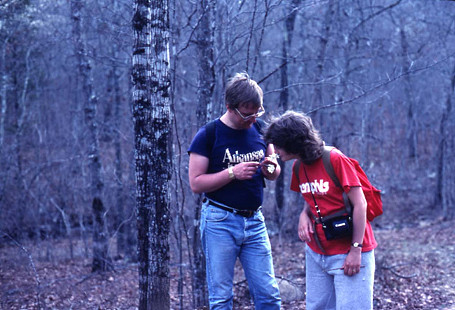
#24: Jay and Eileen Vestal, ca. 1982
© Special Collections, University of Arkansas Libraries, University of Arkansas, Fayetteville
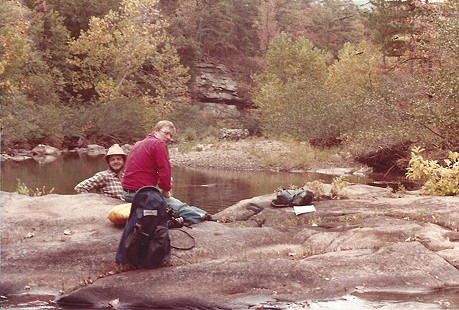
#25: Jay Vestal and Bill Coleman at Richland Creek, ca. 1982. Photo by Tom McClure
© Tom McClure
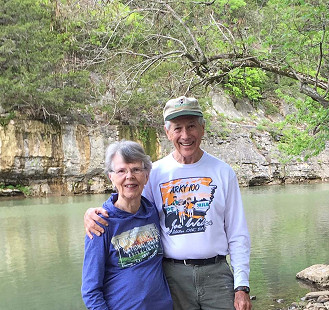
#26: Bill and Dana Steward
© Bill and Dana Steward
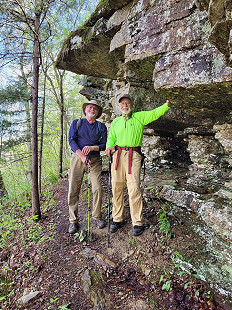
#27: Bill Pell and Mike Curran, both former Forest Service employees in the Ouachita National Forest, on a hike in the Ozark National Forest, ca. 2019. Photo by Tom McClure
© Tom McClure
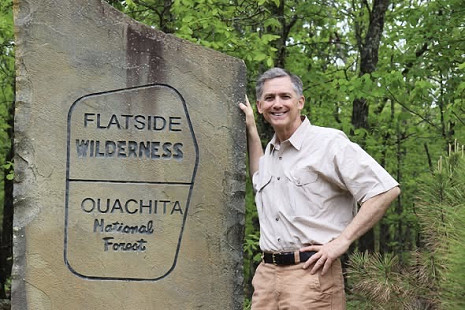
#28: Congressman French Hill at Flatside
© French Hill
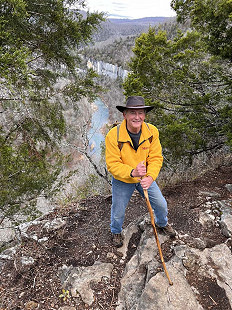
#29: Joe David Rice in the Ponca Wilderness, 2023
© Joe David Rice
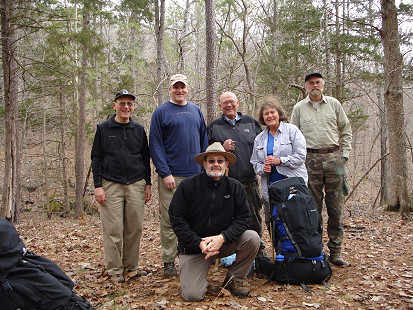
#30: Earl Hilliard, Henry Himstead, Bill Jones, Alice Andrews, Tom Ferguson of the US Forest Service, and Kirk Wasson (front, kneeling) as part of a volunteer work crew at Lower Buffalo Wilderness, ca. 2005. Photo by Kirk Wasson.
© Kirk Wasson
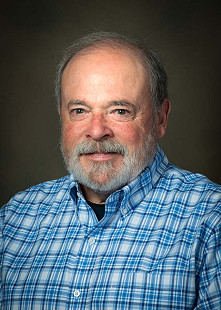
#31: Paul Means
© Paul Means
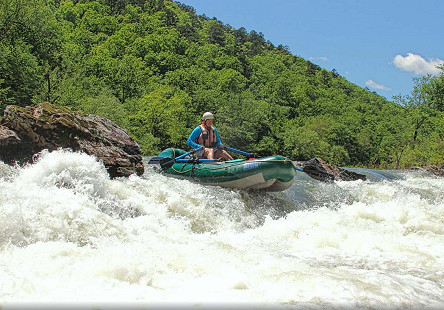
#32: Stewart Noland rafting on the Cossatot River, ca. 2022. Photo by John Barton
© Stewart Noland
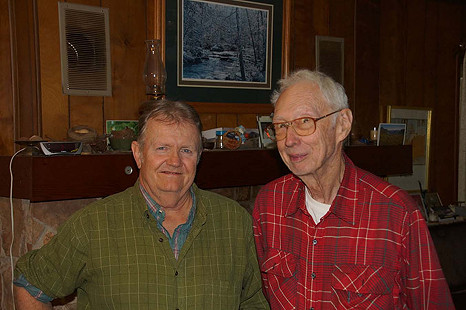
#33: Tom McKinney and Barry Weaver, both of the Arkansas Conservation Coalition, ca. 2017. Barry was the founder of the first Sierra Club group in Arkansas. Photo by Art Evans
© Art Evans
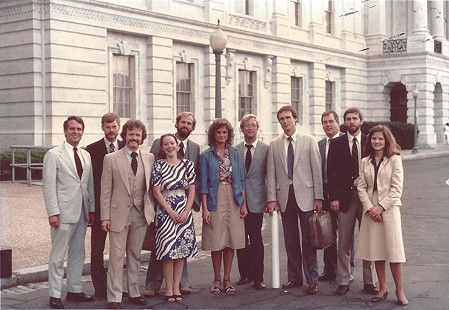
#34: Don Hamilton, George Oleson, Tom McKinney, Vicki Hileman McKinney, Tim Ernst, Marshall Tarkington Hall, who served as a legislative assistant for Ed Bethune, John Leflar, Tom McClure, Ed Pembleton, Chris Tullgren, and Lissa Thompson, just before a hearing before Congress on the Arkansas Wilderness Bill in Washington, D.C., May 1983
© Lissa Thompson
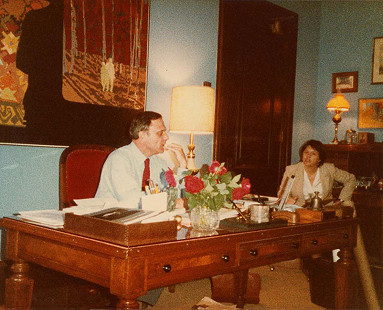
#35: Senator David Pryor and Susan Reiff in Pryor’s office before a hearing on the Arkansas Wilderness Bill in Washington D.C., May 1983. Photo by Vicki Hileman McKinney
© Vicki Hileman McKinney
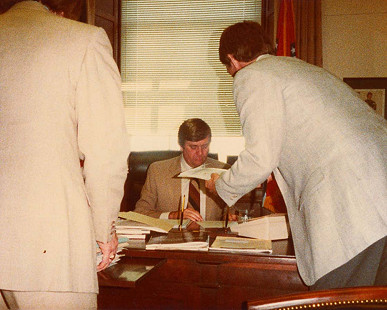
#36: Tom McKinney (left) and Tom McClure speaking with Congressman Beryl Anthony (seated) in Washington, D.C., in May 1983. Photo by Vicki Hileman McKinney
© Vicki Hileman McKinney
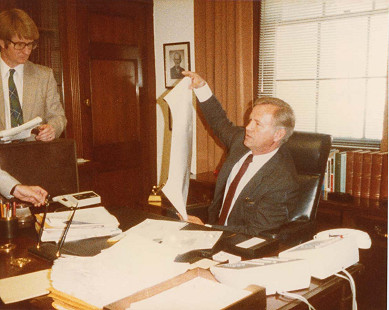
#37: Bob Irving speaking with Ed Bethune in Washington, D.C., May 1983. Photo by Vicki Hileman McKinney
© Vicki Hileman McKinney
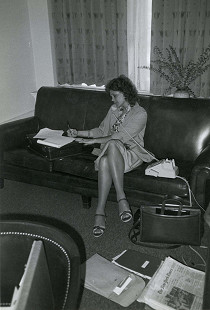
#38: Marshall Tarkington Hall, Washington, D.C., ca. 1983
© Tom McClure
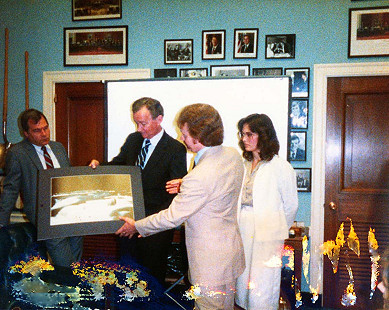
#39: Ed Pembleton, Congressman John Paul Hammerschmidt, Tom McKinney, and Mary Smith examine a photograph of a proposed wilderness area in Washington, D.C., in May 1983. Photo by Vicki Hileman McKinney
© Vicki Hileman McKinney
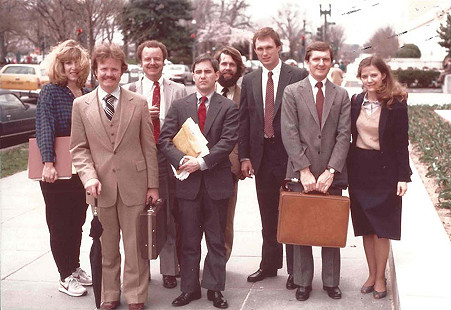
#40: Robin Coleman, Tom McKinney, Bill Coleman, unidentified Congressional staff member, Ken Lake, Tom McClure, Mickey Freeman, and Lissa Thompson at the University of Arkansas, Little Rock to testify at U.S. Senate field hearing, February 1984
© Lissa Thompson
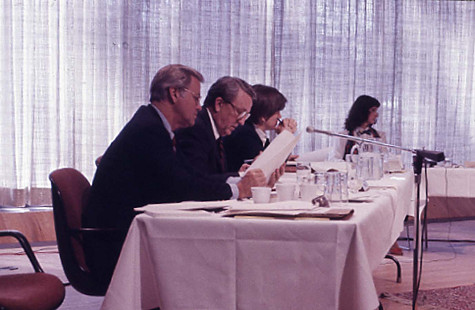
#41: Ed Bethune, Dale Bumpers, and Susan Reiff during a Senate hearing at the University of Arkansas, Little Rock, February 1984
© Special Collections, University of Arkansas Libraries, University of Arkansas, Fayetteville
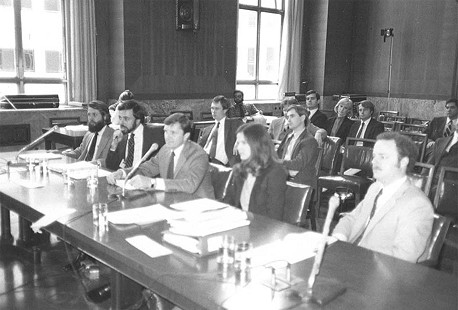
#42: (At table, l to r) Ken Lake, Peter Coppelman, Mickey Freeman, Lissa Thompson, and Bill Coleman testify before the Senate Subcommittee on Public Lands in Washington, D.C., April 1984
© Lissa Thompson
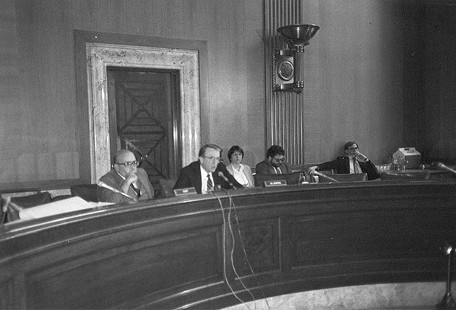
#43: Senate committee staff member Tony Bevinetto, Dale Bumpers, Susan Reiff, and committee staff member Tom Williams during a hearing of the Senate Subcommittee on Public Lands in Washington D.C., April 1984. Photo by Lissa Thompson
© Lissa Thompson
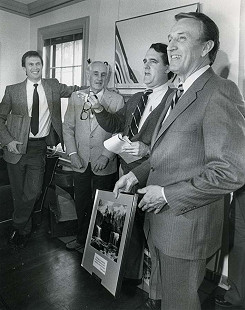
#44: Tom McClure, Neil Compton, Don Hamilton, and Dale Bumpers at an event in Little Rock, Arkansas recognizing Senator Bumpers' contributions to the Arkansas Wilderness Act, February 1985. Photo by Art Meripol
© Special Collections, University of Arkansas Libraries, University of Arkansas, Fayetteville
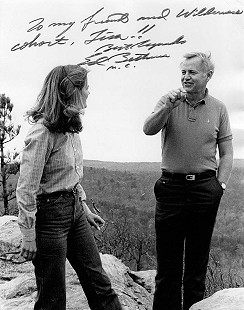
#45: Lissa Thompson and Ed Bethune at Flatside, ca. 1982; photo signed by Ed Bethune with the message "To my dear friend and wilderness cohort, Lissa!!"
© Lissa Thompson
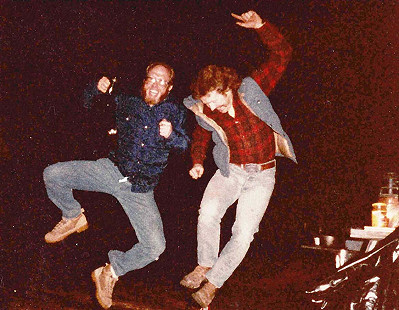
#46: Art Evans and Tom McKinney celebrate the passage of the Arkansas Wilderness Act on October 19, 1984
© Art Evans
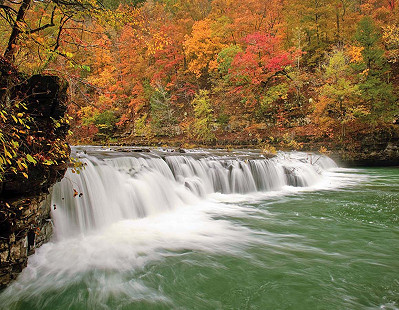
#47: Richland Falls, Richland Creek Wilderness Area. Photo by Tim Ernst
© Tim Ernst
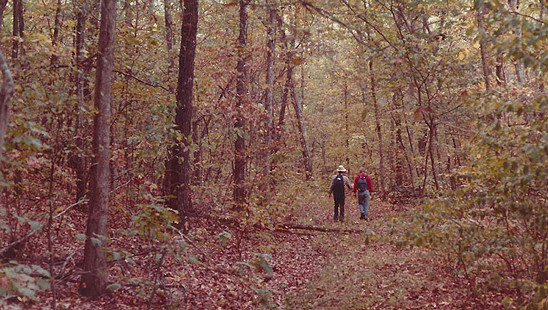
#48: Bill Coleman and Jay Vestal hiking at Richland Creek, ca. 1982. Photo by Tom McClure
© Tom McClure